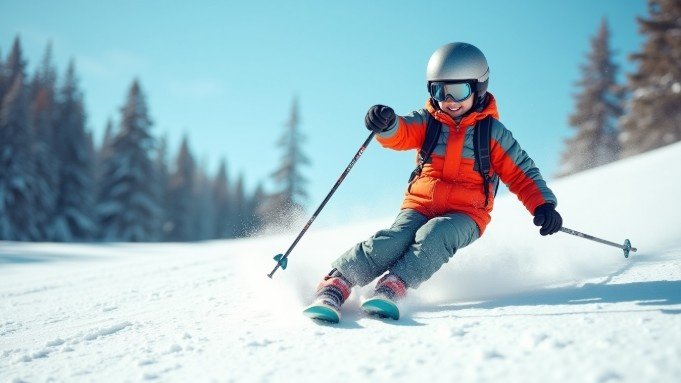
So, you’ve decided to hit the slopes for the first time. Maybe you’ve watched skiers glide effortlessly down the mountain, making it look so easy that you thought, “How hard can it be?” Then, you get to the top of the hill, stare down, and instantly realize that this might be a little more challenging than you imagined. Don’t worry, you’re not alone. Skiing can feel intimidating at first, but once you learn the basics like how to ski with the right posture, control, and movements you’ll be breezing down the slopes in no time. If you’re wondering how to ski, you’re in the right place. Here’s everything you need to get started on your skiing adventure!
What Are the Basic Stance and Posture for Skiing?
Getting the right posture is essential when learning how to ski, and it starts with your stance. Without it, your balance and control will be out of whack. So, let’s break it down.
The Athletic Stance: A Solid Foundation
To start skiing, stand with your feet about hip-width apart and keep your knees slightly bent. Your body should be relaxed, but with a firm posture to support your movement. Make sure your weight is centered over the middle of your skis not too far forward or backward.
Shin Pressure: A Secret to Control
When you’re in position, lean forward just a little so that your shins gently press against the front of your boots. This is called “shin pressure” and helps with control. Leaning back might feel comfortable at first, but it’ll make it harder to steer your skis.
Hands and Eyes: Guide Your Movement
Hold your hands out in front of you, almost like you’re carrying a tray. This keeps your upper body in balance. Also, keep your eyes focused ahead on the trail, not down at your feet. Looking ahead gives you better control and helps you anticipate the next movement.
What Are the Fundamental Movements in Skiing?
Once you have your stance down, it’s time to focus on basic skiing movements like stopping, turning, and speeding up. These fundamental techniques are key to learning how to ski safely and confidently.

“Pizza” for Braking: Slowing Down
To slow down or stop, you’ll use the snowplow or “pizza” method. To do this, push your heels out while keeping the tips of your skis close together to form a V-shape. The wider you make the “pizza,” the more you’ll slow down. When you get comfortable with this, you’ll feel in control even on steeper slopes.
“French Fries” for Speed: Go Fast, Go Smooth
When you’re comfortable enough to pick up speed, keep your skis parallel this is called the “French fries” method. This will allow you to glide smoothly and quickly down the slope. But always make sure you’re confident in your snowplow before you attempt parallel skiing!
Turning: Shift Your Weight to Control the Direction
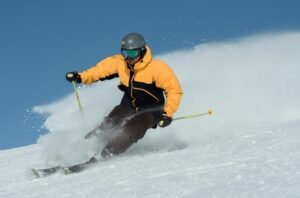
Turning is essential for navigating the slopes. To turn, simply shift your weight onto the ski opposite the direction you want to go. For example, to turn left, put more pressure on your right ski. By gradually increasing pressure on the inside edge of the ski, you’ll be able to carve your way down the hill smoothly.
How Do I Move Uphill When Skiing?
You’ll find yourself on smaller inclines now and then, so learning how to ski uphill is part of the process. Here are two techniques that can help you out when you don’t have a lift to rely on.
Sidestep: Take Small Steps Up
If you need to move up a small incline, face the slope and take small sideways steps, one ski at a time. Your skis should be positioned perpendicular to the slope, and you can dig your uphill edges into the snow to grip better.
Herringbone: A V-Shape for Climbing
Another technique is the herringbone method. To use this, angle the tips of your skis away from each other in a wide V shape. Then, take small steps forward while tilting the inside edges of the skis into the snow. This prevents sliding backward as you move uphill.
What Are Some Skiing Safety Tips and Preparation?
Before hitting the slopes, keep in mind that skiing can be physically demanding and requires safety precautions. Here’s how to stay safe while you learn how to ski.

Stay Calm and Relax
Yes, you will fall, everyone does. If you do take a tumble, try to relax and let your body go limp. To get back up, position your skis perpendicular to the slope to avoid sliding. Then, push yourself up from the uphill side.
Right of Way of Ski Etiquette
When skiing, always remember that skiers below you (downhill) have the right of way. It’s your responsibility to avoid them, especially when turning or stopping. Be aware of your surroundings and keep an eye out for other skiers.
Dress to Stay Warm and Dry
Skiing can be cold, so it’s important to wear the right layers. Start with moisture-wicking clothing to keep sweat off your skin. Then, layer up with waterproof outer gear like jackets and pants to stay dry.
The Fastest Way to Improve
Skiing is a skill, and taking a lesson from a professional instructor is one of the best ways to get the technique right from the start. It’ll save you time and prevent you from developing bad habits that could lead to injuries.
Frequently Answered Questions
1. How long will it take to learn how to ski?
The time it takes to learn to ski depends on how quickly you grasp the basics and gain confidence. For many beginners, after a day of lessons, you can get the hang of turning, stopping, and using the snowplow. It might take a few more days to feel completely comfortable on the slopes.
2. Do I need to take lessons when learning how to ski?
While it’s possible to learn the basics on your own, taking a lesson is highly recommended. Ski instructors can teach you the proper technique, help you avoid bad habits, and keep you safe while you learn. A lesson can fast-track your progress, especially on your first day.
3. What’s the best way to prevent skiing injuries?
The best way to prevent injury is by skiing at a pace that suits your ability. Avoid pushing yourself too quickly, take it slow, especially when you’re learning. Wearing the proper gear, including a helmet, and staying aware of your surroundings also reduces the risk of injury.
4. Can I learn how to ski as an adult?
Absolutely! Skiing is a great activity for all ages, and many adult beginners find success on the slopes. It may take a bit longer than it would for younger learners, but with practice and the right approach, you’ll be skiing confidently in no time.
Ready to Glide Down the Slopes?
Skiing is a fun and exhilarating sport that anyone can enjoy with the right attitude and technique. Now that you know how to ski and know the basics like maintaining the correct posture, slowing down with the pizza, and turning with ease it’s time to get out there and practice. The first day on the slopes may be filled with a few tumbles, but remember: each fall is just a step toward becoming a more confident skier.
So, grab your gear, hit the bunny hill, and enjoy the process. Before you know it, you’ll be mastering turns and conquering steeper slopes. Skiing is all about having fun and enjoying the ride, no matter how many times you fall.
Happy skiing!